
HVAC & duct cleaning checklist after the fires, and where we can help
A practical checklist for your HVAC system and ductwork to restore clean indoor air after wildfire smoke and ash.
We are devastated by the fires that destroyed so much of our community. Smoke, ash and pollutants surround our homes and indoor air quality suffers. Here are crucial steps to restore clean air inside your home.
Soot on windows or surfaces, or an ongoing smoky smell, means indoor air has likely been affected. Check local air quality through the South Coast AQMD and the Air Quality Index (AQI) before ventilating. Keep in mind the AQI doesn't capture everything: chemicals released from burning buildings and plastics can linger and are hard to measure. An indoor monitor that tracks PM2.5 and VOCs gives real-time data.
Wait until outdoor air improves before opening windows. If the AQI is above 100, keep them closed. Bathroom and kitchen exhaust fans can help pull contaminated air out without letting more smoke in.
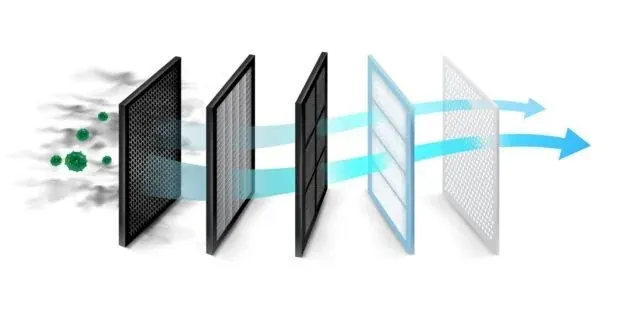
Use a quality, no-ozone HEPA air purifier in the rooms you use most. Replace HVAC filters, which clog quickly with smoke, with MERV 13 or higher, and change them more often. Our team is ready to help.
Activated charcoal and baking soda absorb odors naturally. Essential oils can mask smells temporarily but don't address the root cause.
Seal gaps around windows and doors with weather stripping or caulk, and make your entry a no-shoes zone so ash isn't tracked inside.
Consider professionals to assess long-term exposure and restore indoor air: duct cleaning and sanitizing, HVAC inspection and filter upgrades, and in-duct air purification.
Keep reading
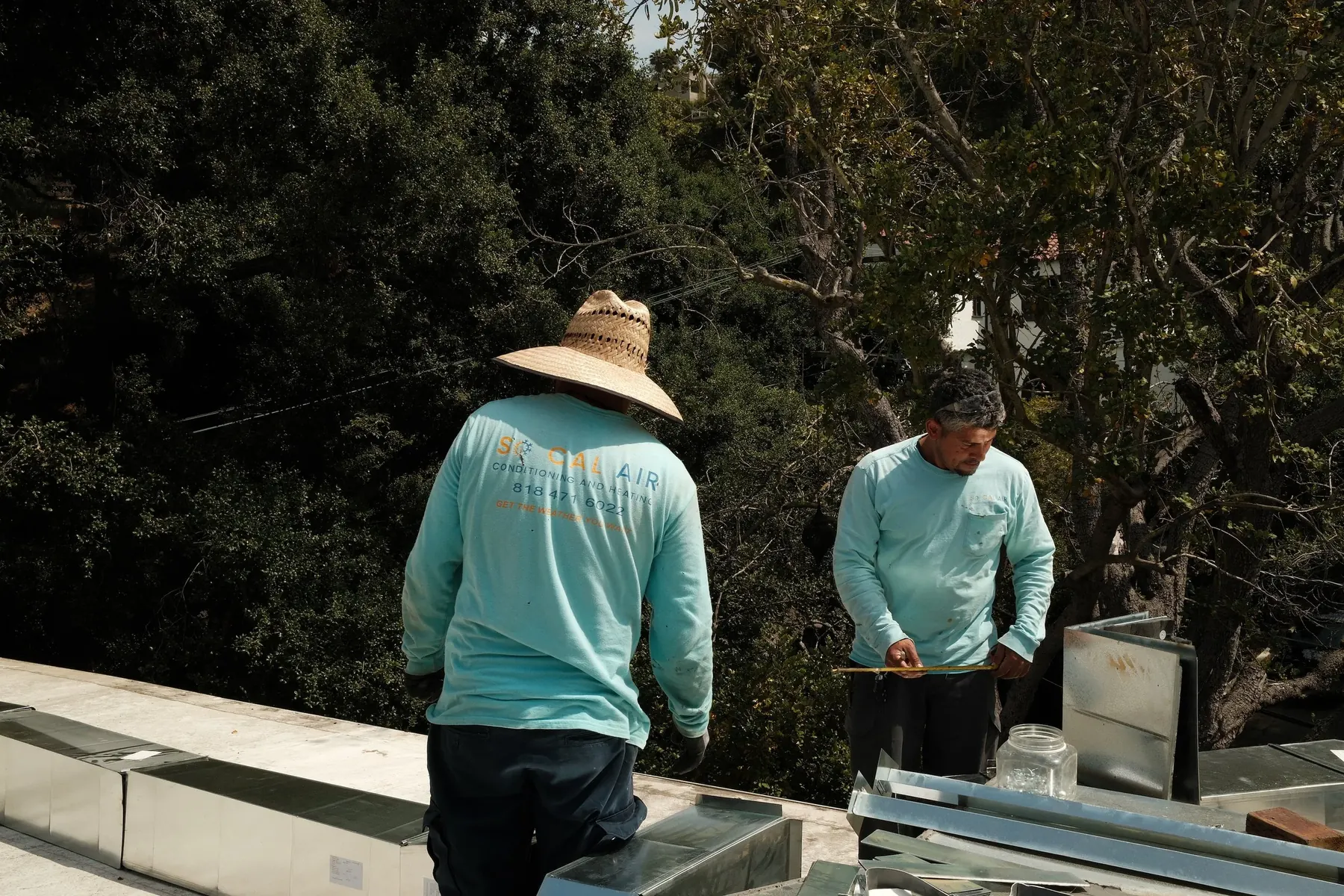
A practical checklist for your HVAC system and ductwork to restore clean indoor air after wildfire smoke and ash.
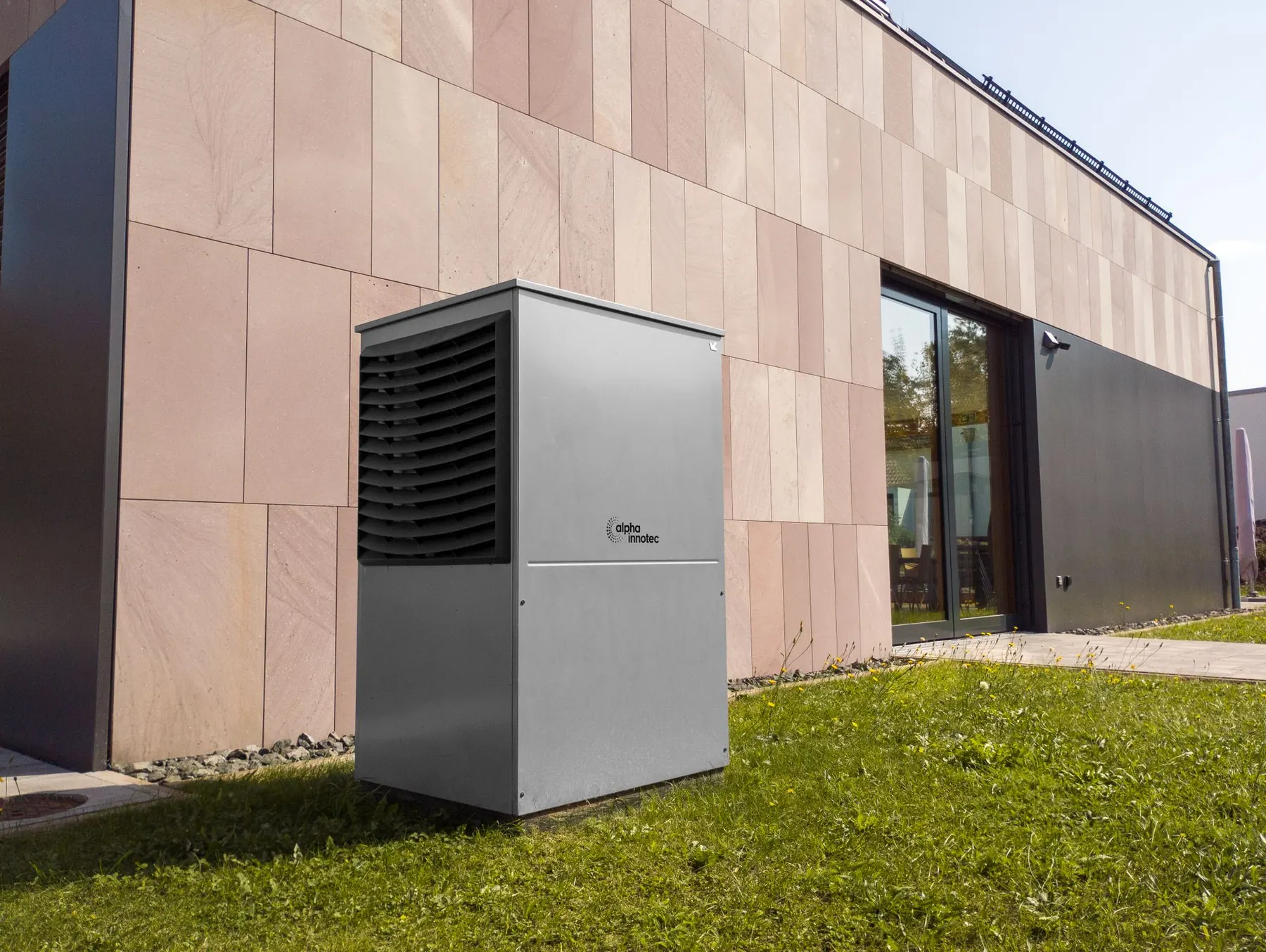
How California and federal heat pump incentives work, who qualifies, and how a certified contractor handles the paperwork.